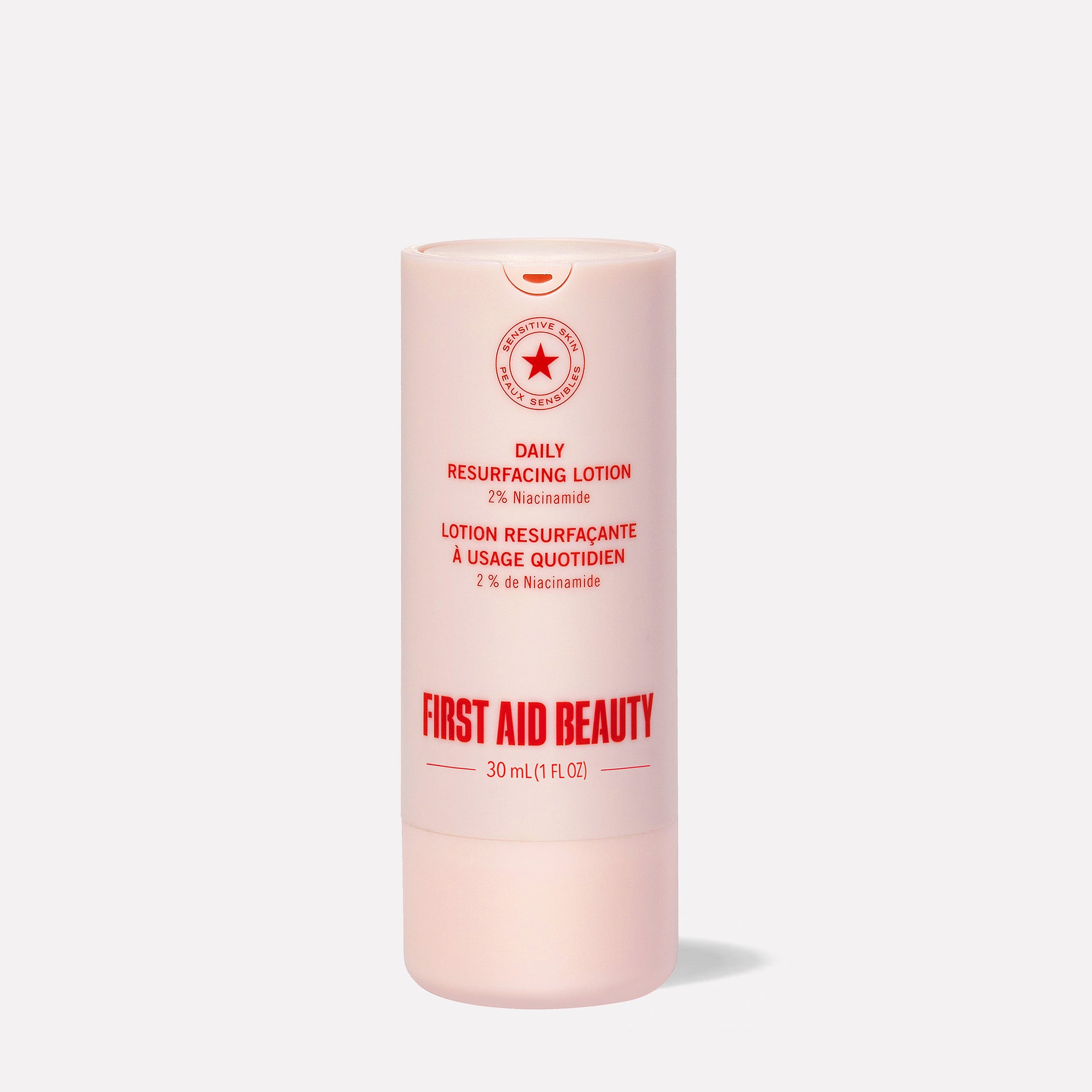
How to Build a Simple Acne Routine for Breakouts and Dry Patches
A balanced approach to treating acne while keeping dry, flaky areas hydrated and comfortable.
How to Build a Simple Acne Routine for Breakouts and Dry Patches
A balanced approach to treating acne while keeping dry, flaky areas hydrated and comfortable.
What Should I Use for Breakouts Without Drying Out My Skin?
Use a gentle salicylic acid treatment that targets acne without stripping moisture. Look for formulas with 2% salicylic acid combined with hydrating ingredients to balance treatment with comfort.
How Do I Moisturize Dry Patches When I Have Acne?
Apply a lightweight, non-comedogenic moisturizer that won't clog pores. Focus extra product on dry, flaky areas while keeping the rest of your face balanced with a thin layer.
Can I Use Acne Treatment on Dry Skin?
Yes, but choose treatments designed for sensitive or combination skin. Start with once-daily application and gradually increase frequency as your skin adjusts to minimize irritation.
What Order Should I Apply Products?
Cleanse first, then apply acne treatment to active breakouts, follow with moisturizer all over, and add extra moisture to dry patches. This layering prevents over-drying while treating acne effectively.
Should I Exfoliate If I Have Dry Patches?
Yes, gentle exfoliation helps remove flaky skin and allows products to absorb better. Use chemical exfoliants like salicylic acid pads 1-2 times daily rather than harsh physical scrubs.
How Often Should I Use Acne Treatment?
Start with once daily, preferably at night, then increase to twice daily if your skin tolerates it well. If dryness or irritation occurs, reduce to every other day until your skin adjusts.
What If My Skin Gets Too Dry From Acne Treatment?
Add a barrier repair balm to extra-dry areas after your regular moisturizer. This creates a protective layer that locks in hydration without interfering with acne treatment effectiveness.

Your Privacy Choices  Do Not Sell or Share My Personal Information / Opt-Out of Targeted Advertising
NOTICE: We may sell your sensitive personal data.
Do Not Sell or Share My Personal Information / Opt-Out of Targeted Advertising
NOTICE: We may sell your sensitive personal data.
© 2026 First Aid Beauty
All Rights Reserved